Walking into a house you're thinking about buying can be exciting.
You might immediately picture where your couch will go. You may already know which bedroom would be perfect for the kids. Maybe you're mentally planning the backyard barbecue before you've even seen the rest of the house.
It's easy to fall in love with a home.
But before you start picking out paint colors, take a step back and look a little closer.
Buying a home is a big investment. While no house is perfect, there are some things you should pay extra attention to when you're touring a property.
The good news?
Seeing a potential red flag doesn't always mean you should run away.
Sometimes it simply means you need to ask more questions.
Here are five red flags to watch for when touring a home, plus what you should do if you spot one.
1. Signs of Water Damage
Water can cause some of the most expensive problems in a home.
That's why signs of water damage should always get your attention.
You may notice:
- Brown or yellow stains on ceilings.
- Bubbling or peeling paint.
- Warped flooring.
- Soft spots around windows.
- Musty smells.
- Mold-like spots.
- Water stains inside cabinets.
- Freshly painted areas that seem out of place.
One small water stain doesn't automatically mean the house has a major problem.
Maybe a bathroom overflowed years ago.
Maybe there was a roof leak that was repaired.
Maybe a pipe leaked and the damage was fixed.
The important question is:
What caused it, and was it properly repaired?
Look Up
When touring a house, don't just look at eye level.
Look at the ceilings.
Check the corners of rooms.
Look around windows.
Look underneath sinks.
Open cabinets if you can.
If you see a suspicious stain, ask your agent about it.
Don't Ignore a Musty Smell
Your nose can sometimes notice something before your eyes do.
A strong musty smell could have several causes, but it is worth investigating.
Don't assume someone simply forgot to open a window.
Ask questions.
And if you're seriously considering the home, your inspection is an important next step.
A professional home inspector can look for signs of moisture problems and other issues that aren't obvious during a quick showing.
If you're a first-time buyer, our What Is a Home Inspection? A First-Time Buyer's Guide can help you understand what happens during that process.
2. Cracks That Make You Wonder
You're walking through the house and notice a crack in the wall.
Should you panic?
Probably not.
Homes move and settle over time. Small cracks can happen for many reasons.
But some cracks deserve a closer look.
Pay Attention to Size and Location
Take note of:
- Large cracks.
- Cracks that appear to be growing.
- Stair-step cracks in brick.
- Cracks around doors or windows.
- Cracks accompanied by doors that don't close properly.
- Uneven or sloping floors.
- Gaps around windows or doors.
Again, seeing one of these things doesn't automatically mean the home has a foundation problem.
It means you shouldn't ignore it.
Texas homes can have unique foundation considerations because of the region's soil and weather conditions.
That's one reason foundation condition should be taken seriously when you're buying in DFW.
Check the Doors
Here's a simple thing you can notice during a showing.
Open and close doors.
Do they work normally?
Does one suddenly stick?
Does a door seem difficult to close?
One sticky door could mean nothing.
But if you notice several doors that don't close properly along with visible cracks or uneven floors, it's worth asking questions.
Let the Inspector Do the Detective Work
Your showing isn't the time to diagnose a foundation problem.
You're not expected to be a structural engineer.
Your job is simply to notice things that deserve a closer look.
If something concerns you, tell your agent and make sure it's discussed during the inspection.
3. A Roof That Looks Worn
The roof is one of the biggest systems protecting your home.
And replacing one can be expensive.
That's why the roof deserves your attention when you're touring a home.
You may not be able to see the entire roof from the ground, but you can look for obvious signs of wear.
Things to Watch For
Look for:
- Missing shingles.
- Damaged shingles.
- Curling shingles.
- Sagging areas.
- Heavy moss or growth.
- Visible water stains inside.
- Damaged flashing.
- Gutters pulling away from the house.
You can also ask the seller or agent if they know the age of the roof.
Why Roof Age Matters
Roofs don't last forever.
The exact lifespan depends on the type of roofing material, installation, weather, maintenance, and other factors.
If you're buying a home with an older roof, that doesn't necessarily mean you shouldn't buy it.
But you should know what you're getting into.
An older roof could mean a replacement is coming sooner rather than later.
And that should be part of your budget.
Texas Weather Can Be Tough on Roofs
DFW homeowners deal with plenty of weather.
Heat, wind, heavy rain, and hail can all take a toll on a roof.
So if you're buying an older home in North Texas, ask questions about previous repairs and insurance claims when appropriate.
Your home inspector can also take a closer look and recommend further evaluation when needed.
4. Fresh Paint in Strange Places
Fresh paint isn't normally a red flag.
In fact, fresh paint can be a nice thing.
But sometimes you may notice a very specific area that looks freshly painted while the rest of the room doesn't.
That's when you might want to ask why.
For example, imagine you walk into a bedroom and notice one small section of the ceiling looks freshly painted.
Or maybe one wall looks much newer than the others.
It could be completely innocent.
Maybe someone repaired a hole.
Maybe the kids colored on the wall.
Maybe furniture damaged the paint.
But it could also be covering a stain or previous damage.
Don't Assume the Worst
This is important.
Fresh paint does not mean someone is hiding something.
There are plenty of normal reasons a homeowner might touch up a wall.
The point is simply to notice changes in texture, color, or condition.
If something looks unusual, ask.
Your agent can help you get more information.
5. Signs That the Home Hasn't Been Maintained
This might be one of the biggest things to watch for.
A home doesn't have to be brand new to be a good home.
Older homes can be wonderful.
But there is a difference between older and poorly maintained.
Look around for signs that routine maintenance may have been ignored.
You might notice:
- Overgrown landscaping.
- Peeling exterior paint.
- Dirty or damaged gutters.
- Cracked caulk.
- Leaking faucets.
- Broken fixtures.
- Damaged screens.
- Loose handrails.
- Missing outlet covers.
- HVAC systems that appear neglected.
- Water stains.
- Doors or windows that don't work properly.
One or two small issues aren't unusual.
But if you start noticing them everywhere, pay attention.
Look Beyond the Pretty Stuff
Fresh staging can make a house look amazing.
And there's nothing wrong with that.
But don't let beautiful furniture distract you from the condition of the house.
Look at the things that aren't easy to decorate.
Open the cabinets.
Look under sinks.
Check the ceilings.
Look at the baseboards.
Pay attention to the yard.
Listen for unusual sounds.
Notice odors.
You don't need to inspect the home yourself.
You're simply looking for clues.
What About HVAC Systems?
Since we're talking about DFW homes, let's give the HVAC system its own moment.
Texas summers can put a lot of stress on air conditioning systems.
When you're touring a house, find out how old the HVAC system is if that information is available.
Ask whether it has been serviced regularly.
And pay attention to how the home feels.
Is one room much hotter than another?
Does the system seem to be running constantly?
Do you hear unusual noises?
Again, these aren't proof that something is wrong.
They're reasons to ask questions.
A home inspector or HVAC professional can take a closer look.
And remember, the inspection isn't just about finding things wrong.
It's about helping you understand the home you're buying.
What Should You Do If You See a Red Flag?
Here's where buyers sometimes get nervous.
You notice a crack.
You see a stain.
The roof looks old.
And suddenly you're thinking:
"Oh no. We can't buy this house."
Slow down.
Seeing a red flag doesn't automatically mean you should walk away.
Instead, use it as a reason to investigate.
Step 1: Take Note
If something catches your attention, remember it.
Take a picture if the seller's showing rules allow it.
Write it down.
Step 2: Ask Questions
Your real estate agent can help you ask the seller or listing agent about known issues.
You may get an answer immediately.
You may also learn that repairs have already been completed.
Step 3: Get an Inspection
If you decide to move forward, a professional home inspection can give you much more information.
An inspector has the tools and experience to look at parts of the home that you can't evaluate during a normal showing.
Step 4: Get a Specialist When Needed
Sometimes an inspector may recommend another professional take a closer look.
That could mean a:
- Roofer.
- Plumber.
- Electrician.
- HVAC technician.
- Structural engineer.
- Foundation specialist.
Don't be afraid to get more information.
Knowing what you're buying is much better than guessing.
Don't Confuse Cosmetic Issues With Major Problems
This is one of the most important lessons for first-time buyers.
A house can look ugly and still be structurally sound.
A house can look beautiful and still have expensive problems.
Don't get too caught up in things like:
- Paint colors.
- Ugly light fixtures.
- Old cabinet hardware.
- Outdated countertops.
- Wallpaper.
- Carpet you don't like.
Those things can often be changed.
Instead, pay more attention to:
- Water.
- Foundation.
- Roof.
- Electrical.
- Plumbing.
- HVAC.
- Structure.
- Drainage.
Cosmetic problems may be annoying.
Major system problems can be expensive.
What Should You Look for Outside?
Don't forget the exterior.
Take a few minutes to walk around the property if the showing allows it.
Look at:
Drainage
Does water appear to flow toward the house?
Are there areas where water seems to collect?
Grading
Does the ground appear to slope away from the house where appropriate?
Landscaping
Are trees growing very close to the house?
Are roots pushing against structures or walkways?
Exterior Walls
Look for obvious cracks, damage, or areas that appear neglected.
Gutters and Downspouts
Make sure they appear intact and are directing water away from the foundation.
You don't need to diagnose anything.
Just notice what you see.
The Best Advice? Don't Fall in Love Too Fast
I know.
Easier said than done.
You walk into a house and immediately think:
"This is it."
Maybe it is!
But give yourself a minute to look past the cute furniture and pretty kitchen.
Walk through the house slowly.
Look up.
Look down.
Open doors.
Look inside closets.
Pay attention to smells.
Listen.
Then ask questions.
You can still fall in love with the house.
You just want to make sure you're falling in love with the right things.
A Quick Home Tour Red Flag Checklist
Save this list on your phone before your next showing.
Inside
- Water stains.
- Musty smells.
- Large or unusual cracks.
- Uneven floors.
- Doors that don't close properly.
- Fresh paint in unusual areas.
- Damaged ceilings.
- Plumbing leaks.
- Strange HVAC noises.
Outside
- Damaged roof.
- Missing or curling shingles.
- Sagging roof areas.
- Cracks in brick or exterior walls.
- Poor drainage.
- Damaged gutters.
- Overgrown landscaping.
- Trees too close to the home.
Questions to Ask
- How old is the roof?
- How old is the HVAC system?
- Have there been any major repairs?
- Are there known foundation issues?
- Have there been previous water leaks?
- Are there warranties that transfer?
- Are there any recent insurance claims?
- What items are included with the sale?
Remember: You're Buying a Home, Not a Perfect House
Here's the biggest thing I want buyers to remember:
There is no such thing as a perfect house.
Every home will have something.
The goal isn't to find a house with absolutely nothing wrong with it.
The goal is to understand what you're buying.
A small crack may be nothing.
An old roof may simply need to be replaced in a few years.
A stained ceiling may be the result of an old leak that was completely repaired.
Or those things could point to bigger problems.
You won't know until you investigate.
That's why your real estate agent and home inspector are such important parts of the process.
Your agent can help you ask the right questions and understand your options.
Your inspector can help you understand the condition of the property.
And together, they can help you make a more informed decision.
Ready to Start House Hunting?
Buying a home is exciting, but it's also a big decision.
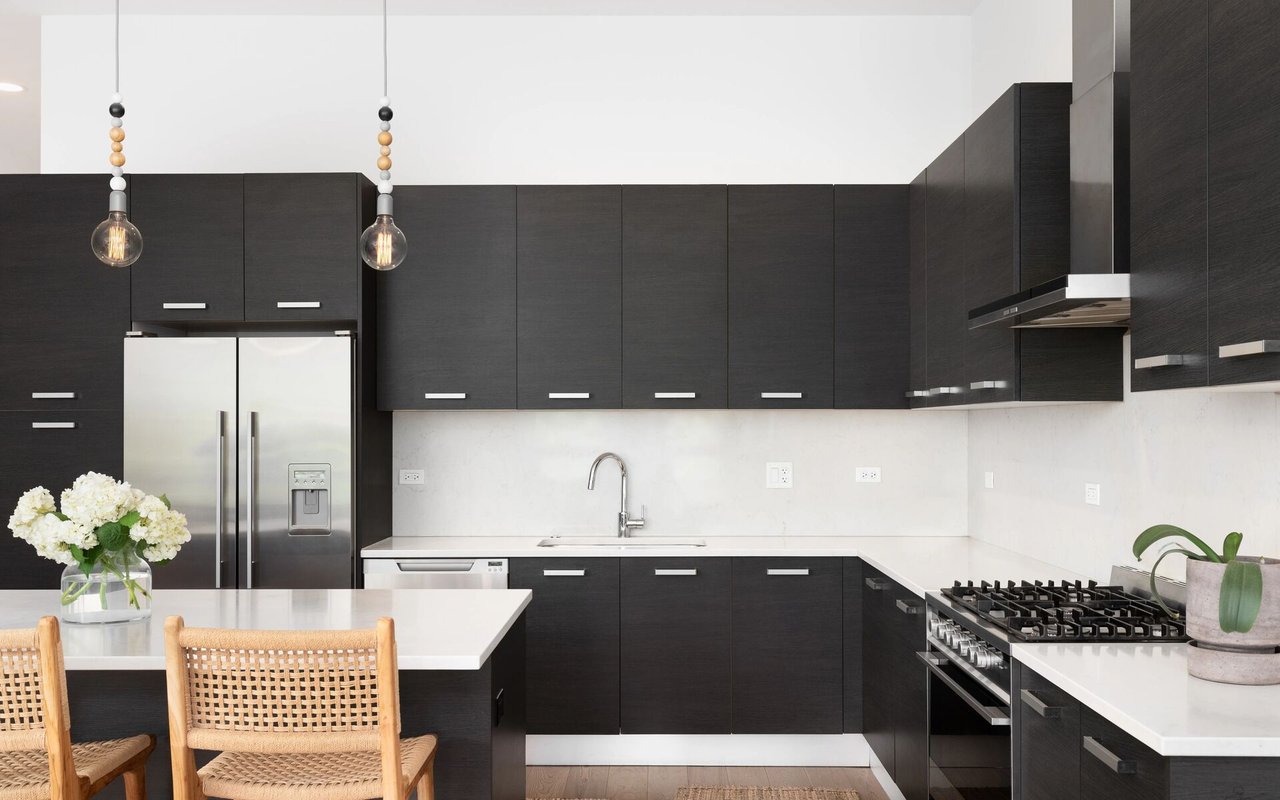
Don't let a beautiful kitchen make you forget to look at the roof.
Don't let the perfect backyard distract you from a water stain.
And don't let one tiny crack convince you that the entire house is falling apart.
Take a breath.
Look closely.
Ask questions.
Get the inspection.
And remember that the purpose of spotting red flags isn't to scare yourself out of buying a home.
It's to make sure you know what you're buying before you sign on the dotted line.
If you're shopping for a home in DFW, having a local real estate agent who knows the area can make the process much easier. From understanding neighborhoods to navigating inspections and negotiations, the right guidance can help you feel confident every step of the way.
Because finding the right home isn't just about finding a house you love.
It's about finding a house you can feel good about buying.