Buying your first home is exciting, but it can also feel a little overwhelming. Between finding the right house, making an offer, and signing paperwork, there are a lot of steps along the way.
One step that often raises questions is the home inspection.
Do you really need one?
What does the inspector look for?
What happens if they find problems?
The good news is that a home inspection isn't meant to scare you away from buying a home. It's there to help you make an informed decision.
Let's walk through what a home inspection is, why it matters, and what you can expect as a first-time home buyer.
What Is a Home Inspection?
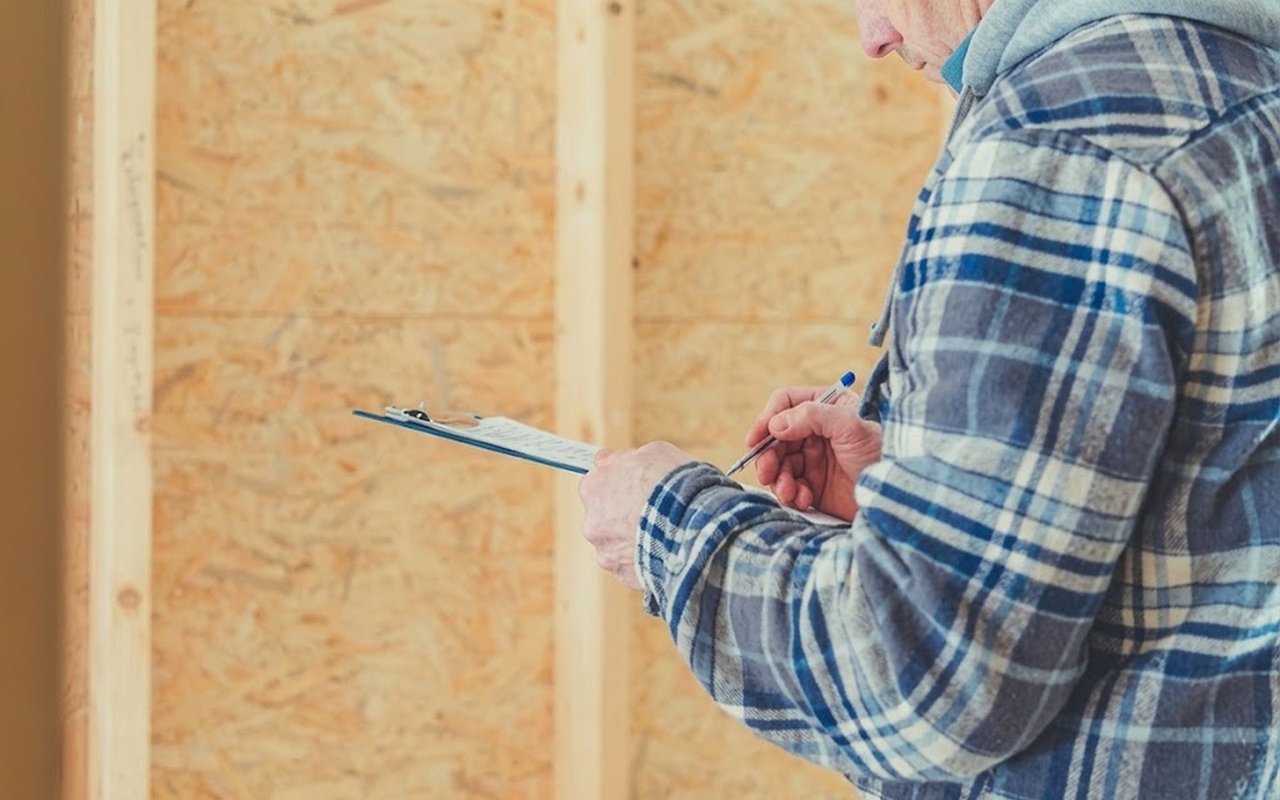
A home inspection is a detailed check of a home's major systems and structure.
Think of it like taking a used car to a trusted mechanic before you buy it. The car might look great on the outside, but you still want to know what's happening under the hood.
A home inspector does the same thing for a house.
They'll look at the home's condition and point out anything that may need repairs, maintenance, or closer attention.
The goal isn't to "pass" or "fail" the house. Instead, the inspection gives you a better understanding of what you're buying.
Why Is a Home Inspection Important?
Buying a home is one of the biggest financial decisions most people will ever make.
Even a beautiful home can have hidden problems that aren't easy to spot during a showing.
A home inspection can help uncover issues before you close on the house.
It can also:
- Give you peace of mind.
- Help you plan for future repairs.
- Give you the chance to negotiate with the seller.
- Help you decide if you're comfortable moving forward.
A few hours spent on an inspection today could save you from unexpected repair bills later.
What Does a Home Inspector Check?
A home inspector looks at many parts of the home, both inside and outside.
While every inspection is a little different, most include the following.
Roof
The inspector checks for:
- Missing shingles.
- Signs of leaks.
- Damage.
- Age and overall condition.
A roof doesn't have to be brand new, but you'll want to know if it's nearing the end of its lifespan.
Foundation
Texas homes can experience foundation movement because of shifting soil.
The inspector looks for:
- Large cracks.
- Uneven floors.
- Doors that stick.
- Signs of settling.
Not every crack is a major problem, but it's important to understand what's normal and what isn't.
HVAC System
Heating and air conditioning are especially important during Texas summers.
The inspector checks:
- Heating.
- Air conditioning.
- Thermostat.
- Airflow.
- Visible ductwork.
No one wants to discover the AC doesn't work after moving in.
Plumbing
The inspector tests:
- Faucets.
- Toilets.
- Water pressure.
- Drains.
- Visible pipes.
- Water heater.
They're looking for leaks, corrosion, and signs of water damage.
Electrical System
Electrical safety is a big part of the inspection.
The inspector checks:
- Outlets.
- Light switches.
- Electrical panel.
- Wiring that's visible.
- Ground fault outlets where required.
Windows and Doors
They'll make sure windows and doors open, close, and lock properly.
They'll also look for damaged seals that could affect energy efficiency.
Walls, Ceilings, and Floors
Inspectors look for:
- Water stains.
- Cracks.
- Uneven flooring.
- Signs of moisture.
- Structural concerns.
Attic and Insulation
The attic can tell a lot about a home's condition.
The inspector checks insulation, ventilation, and looks for signs of leaks or pests.
What Doesn't a Home Inspection Cover?
Many first-time buyers are surprised to learn that a standard home inspection doesn't cover everything.
For example, inspectors usually don't inspect:
- Inside walls.
- Swimming pools (unless added separately).
- Septic systems.
- Sewer lines.
- Mold testing.
- Pest inspections.
- Property boundaries.
Depending on the home, your real estate agent may recommend additional inspections.
How Long Does a Home Inspection Take?
Most inspections take about 2 to 4 hours.
Larger homes may take longer.
Many buyers choose to attend at least part of the inspection.
This gives you the chance to:
- Ask questions.
- Learn where important shut-off valves are.
- See maintenance items in person.
- Better understand the home's systems.
It's a great learning experience, especially if you're buying your first home.
Should You Be Worried If the Inspection Finds Problems?
Not at all.
Almost every home inspection uncovers something.
Even brand-new homes can have a list of repairs.
The inspection report might include:
- Loose handrails.
- Missing caulk.
- Small plumbing leaks.
- Worn weather stripping.
- Older appliances.
- Roof repairs that may be needed in the future.
Finding issues doesn't automatically mean you should walk away.
Instead, it's a chance to understand the home's condition before you buy it.
What Happens After the Inspection?
Once the inspection is complete, you'll receive a detailed report.
Together with your real estate agent, you'll review the findings and decide what to do next.
You may choose to:
Ask the Seller to Make Repairs
Sometimes sellers agree to fix certain issues before closing.
Request a Credit
Instead of making repairs themselves, the seller may offer money toward your closing costs or future repairs.
Renegotiate the Price
If major repairs are needed, you may be able to negotiate a lower purchase price.
Move Forward As-Is
Sometimes the issues are minor, and buyers decide they're comfortable moving forward without asking for repairs.
Walk Away
If the inspection uncovers serious problems and an agreement can't be reached, your contract may allow you to cancel the purchase during the inspection period.
What Are Some Common Issues Found During Inspections?
Some of the most common items include:
- Loose outlets.
- Aging roofs.
- HVAC systems needing maintenance.
- Plumbing leaks.
- Missing smoke detectors.
- Worn caulk around tubs and sinks.
- Damaged gutters.
- Poor drainage.
- Foundation cracks.
- Water stains from older leaks.
Many of these are routine maintenance items rather than major deal breakers.
How Much Does a Home Inspection Cost?
The cost depends on the size, age, and location of the home.
While it may feel like another expense during the home-buying process, many buyers consider it money well spent.
A quality inspection can help you avoid much larger repair costs after closing.
If you're budgeting for a home purchase, don't forget to include inspection costs along with your down payment, closing costs, moving expenses, and other upfront expenses.
A Home Inspection Isn't a Pass or Fail Test
This is one of the biggest misconceptions about home inspections.
There is no perfect house.
Even beautiful, well-maintained homes will have a few items on the inspection report.
The report simply helps you understand the condition of the property.
Instead of asking, "Is this house perfect?" the better question is:
"Am I comfortable with the condition of this home?"
That's a much more realistic way to think about the process.
Tips for First-Time Buyers
Here are a few simple ways to get the most from your inspection:
- Attend the inspection if you can.
- Bring a notebook for questions.
- Focus on major issues instead of cosmetic flaws.
- Read the entire inspection report.
- Ask your agent if you don't understand something.
- Start planning for future maintenance.
Remember, every home will need repairs eventually.
The goal is to understand what those repairs might be before you become the owner.
Buying a Home Is About Making Informed Decisions
A home inspection is one of the best tools you have as a buyer.
It gives you valuable information, helps you avoid surprises, and gives you confidence as you move toward closing.
Buying your first home doesn't have to feel overwhelming when you have the right team guiding you through each step.
If you're just beginning your home-buying journey, you may also find these resources helpful:
- How Much Money Do You Really Need to Buy a Home in DFW?
- What Sellers Want in an Offer.
- How to Compete With Other Buyers Without Overpaying.
- 15 Things Every New Texas Homeowner Should Do After Closing.
Each guide walks you through another important step in the buying process, helping you feel prepared from your first showing to move-in day.
Ready to Buy Your First Home?
Whether you're buying your very first house or relocating to the Dallas-Fort Worth area, The Smith Team is here to help.
We'll guide you through every step of the process, explain what to expect, answer your questions, and help you feel confident in your decisions.
When you're ready to start your home search, we'd love to help you find the perfect place to call home.