Selling a home sounds simple on paper.
- You list it.
- You get offers.
- You move.
But if you’ve lived in your home for years — maybe even decades — you know it’s not that simple.
As a real estate consultant here in DFW, I’ve helped many homeowners sell. And I can tell you this:
Selling a home is not just a financial decision.
It’s an emotional one.
Your house holds memories. Holidays. Birthday parties. First days of school. Quiet mornings with coffee. Late-night talks in the kitchen.
And when it’s time to sell, those memories can feel heavy.
Let’s talk about the emotional side of selling — and how to handle it well.
Why Selling a Home Feels So Personal
In Dallas–Fort Worth, many homeowners have deep roots.
Some families have lived in the same neighborhood in places like Flower Mound, Keller, Plano, or Arlington for 15 or 20 years. Kids grew up there. Neighbors became close friends.
That kind of history doesn’t just disappear because you put a sign in the yard.
Your Home Is Tied to Big Life Moments
Think about it.
- The height marks on the wall.
- The first Christmas tree in the living room.
- The backyard birthday parties.
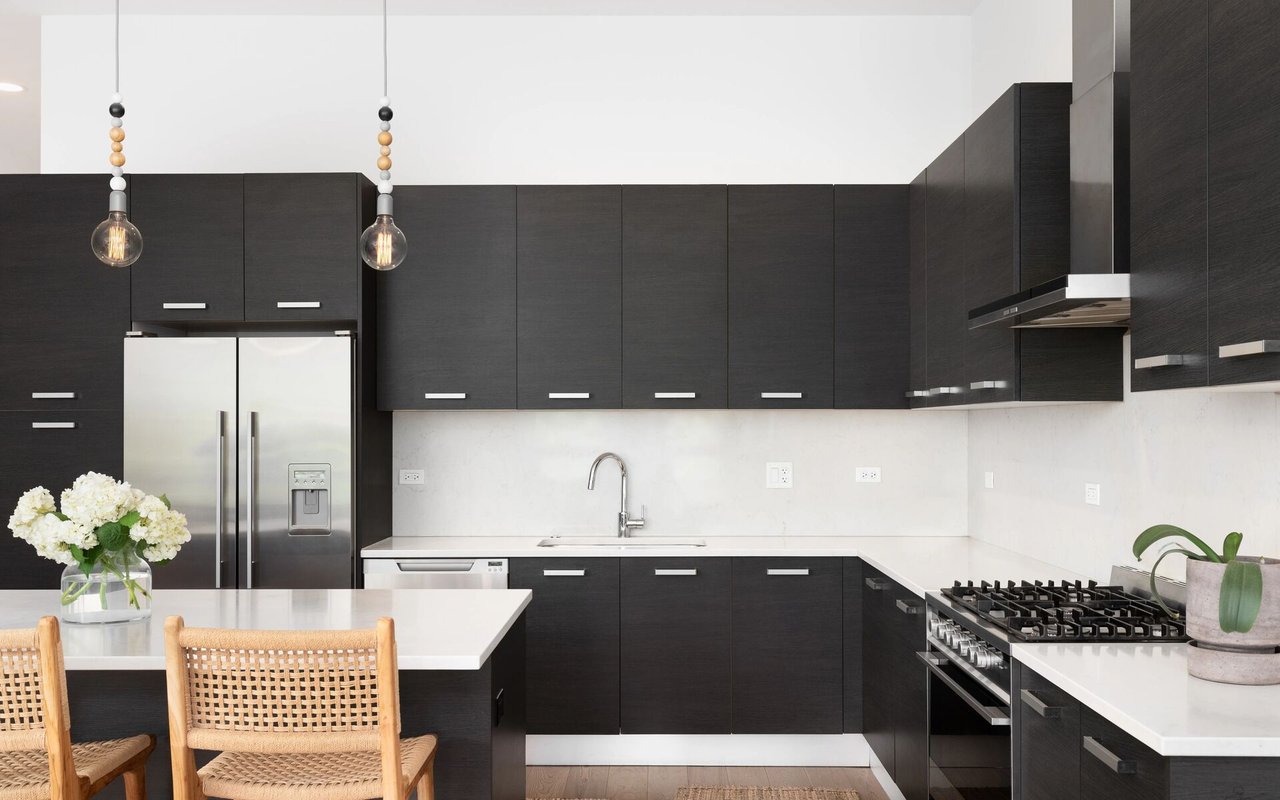
- The kitchen where you helped with homework.
When buyers walk through, they see square footage.
You see your life.
That difference matters.
The Emotional Phases Most Sellers Go Through
Over the years, I’ve noticed most sellers move through the same emotional stages.
Knowing this ahead of time helps you stay steady.
1. Excitement
At first, it feels exciting.
- A fresh start.
- A new chapter.
- Maybe downsizing, upgrading, or relocating within DFW.
You imagine your next home. You picture new routines.
This phase feels hopeful.
2. Doubt
Then comes the second guessing.
- “Are we sure this is the right time?”
- “What if we can’t find something better?”
- “Should we wait for the market to shift?”
In DFW, the market moves in cycles. Spring gets competitive. Summer gets busy. Fall slows down. Winter gets strategic.
It’s normal to wonder if your timing is right.
This is where data matters. Looking at real numbers helps calm emotional doubt.
3. Vulnerability
This is the stage no one talks about.
When your home is listed, strangers walk through your space.
- They open closets.
- They look at baseboards.
- They comment on paint colors.
And sometimes, their feedback feels personal.
I once had a seller in Fort Worth feel hurt because a buyer said the kitchen felt “dated.” That kitchen had hosted years of family dinners.
But here’s the truth:
Buyers are not judging your memories.
They’re evaluating function and price.
Understanding that difference helps protect your emotions.
4. Stress
Negotiations can bring tension.
Inspection reports might list repairs you didn’t even know about.
Appraisals can feel frustrating.
But this is where strategy matters most.
Strong sellers stay calm during this phase. Emotional reactions can cost money.
5. Relief (and Sometimes Sadness)
Closing day often brings mixed feelings.
- There’s relief.
- There’s pride.
- And sometimes, there’s grief.
That’s normal.
You’re not just handing over keys.
You’re closing a chapter.
The Psychology of Detachment
One of the most important shifts you can make as a seller is this:
Your home is becoming a product.
That doesn’t mean it loses meaning.
It just means that in the market, it must compete.
Emotional Value vs. Market Value
You may feel your home is worth more because of what it means to you.
But buyers make decisions based on:
- Location.
- Condition.
- Updates.
- Comparable sales.
- Market demand.
Separating emotional value from market value is key.
In neighborhoods across DFW — from Frisco to Mansfield — I’ve seen beautifully maintained homes sit longer than expected because sellers priced based on emotion instead of data.
When we align pricing with market reality, the stress drops dramatically.
How to Prepare Emotionally Before You List
Preparation is everything.
Clarify Your “Why”
Before listing, ask yourself:
Why are we selling?
- Downsizing?
- Moving closer to family?
- Upgrading?
- Relocating for work?
- Cashing out equity?
When negotiations feel tough, your “why” keeps you grounded.
Expect Feedback
Buyers will comment.
Some feedback will be helpful. Some will feel unnecessary.
Instead of taking it personally, treat it like data.
Feedback helps us position your home better.
That mindset shift alone protects your confidence.
Handling Showings Without Feeling Exposed
Showings can feel invasive.
Strangers walking through bedrooms and bathrooms isn’t comfortable.
Here’s how to manage that:
Depersonalize Strategically
- Remove family photos.
- Neutralize bold décor.
- Pack away highly personal items.
This does two things:
Helps buyers imagine themselves in the home.
- Helps you emotionally detach.
I’ve seen sellers feel lighter after packing personal items early. It makes the transition feel more intentional.
Create a Showing Routine
Have a simple checklist:
- Lights on.
- Counters clear.
- Beds made.
- Pets secured.
Routine reduces stress.
Managing Offers Without Emotional Decisions
When offers come in, emotions spike again.
Especially if:
- The first offer feels low.
- A buyer asks for repairs.
- The timeline doesn’t match your preference.
Here’s where subtle psychology comes in.
Don’t Focus Only on Price
The highest offer isn’t always the strongest offer.
Look at:
- Financing type.
- Inspection terms.
- Closing timeline.
- Contingencies.
A slightly lower offer with strong terms may close smoother and faster.
Pause Before Responding
Emotional counteroffers can backfire.
Instead:
- Review data.
- Revisit your goals.
- Think long-term outcome.
In competitive DFW areas, the right strategy often beats quick reactions.
Special Situations That Feel Even Heavier
Some sales carry deeper emotion.
- Selling a longtime family home.
- Downsizing after kids leave.
- Selling after a loss.
- Divorce-related sales.
- Relocation under pressure.
These situations require patience and steady guidance.
It’s okay to feel both ready and sad at the same time.
Two emotions can exist together.
Preparing for Closing Day
As closing approaches, emotions can surprise you.
I always suggest a small moment of closure.
Simple Ways to Say Goodbye
- Take photos of favorite rooms.
- Walk through the house quietly one last time.
- Write a short letter to the new owners.
- Share one favorite memory as a family.
This isn’t about being dramatic.
It’s about honoring the chapter.
When sellers do this intentionally, they transition more peacefully.
Why Emotional Awareness Leads to Better Results
Here’s something I’ve learned over the years:
The sellers who acknowledge their emotions tend to perform better in negotiations.
Why?
Because they:
- Expect emotional waves.
- Don’t panic at feedback.
- Make decisions from strategy.
- Focus on long-term goals.
Selling well isn’t about being cold.
It’s about being steady.
Final Thoughts
If you’re thinking about selling your home in DFW, know this:
It’s normal to feel attached.
It’s normal to feel unsure.
It’s normal to feel both excited and sad.
Your home has been part of your story.
But selling it doesn’t erase that story.
It simply makes room for the next one.
With the right mindset, clear strategy, and steady guidance, you can handle the emotional side of selling with confidence — and walk into your next chapter feeling proud, not overwhelmed.
And that’s always the goal.